
Adult orthodontics
A large percentage of adults find themselves in the uncomfortable position of admitting that they feel at a disadvantage or are embarrassed to smile because their teeth are particularly crooked. They feel that they have lost the opportunity to straighten their teeth and finally get the perfect smile, because they are now adults.
The duration of orthodontic treatment depends on the orthodontic problem at hand. It is worth noting that either severe skeletal abnormalities or difficult orthodontic problems may not be able to be corrected with this method.
- Lingual Braces
- Metal Braces
- Ceramic Braces
- Invisible Splints
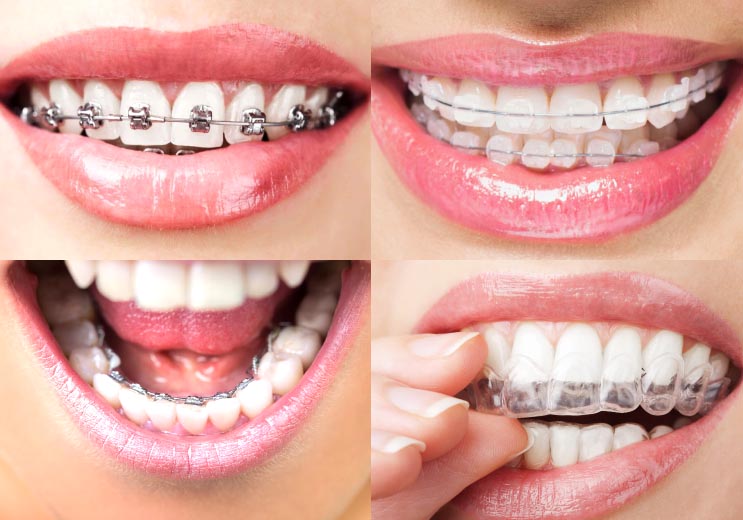
Modern orthodontics offers patients several options to obtain a healthy and bright smile.
Problems Solved by Orthodontic Treatment
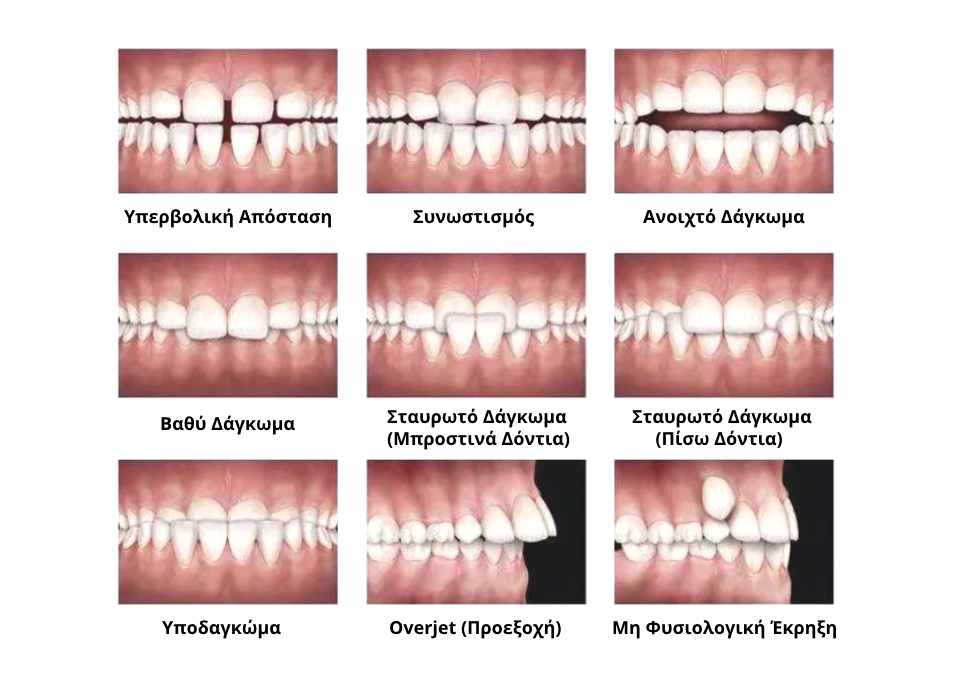
How It Works
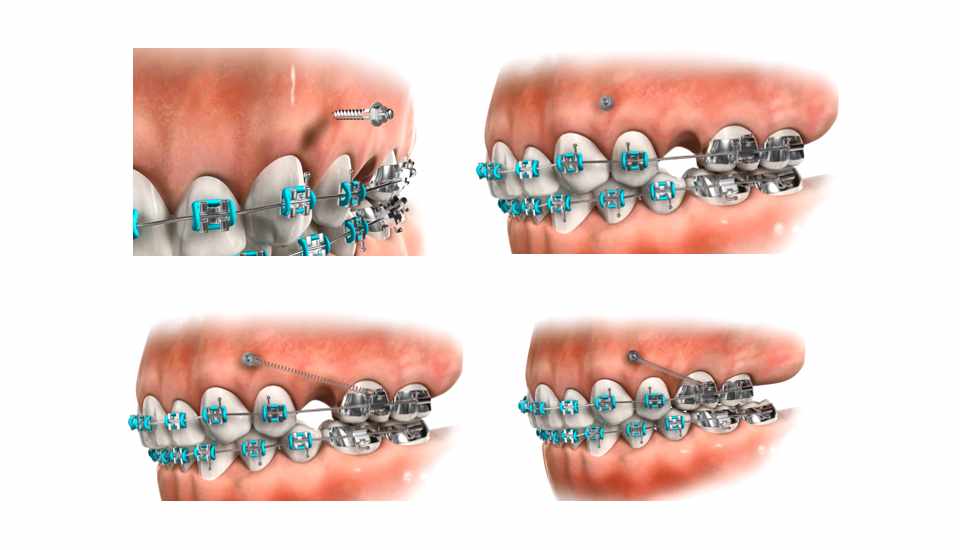
Generally, Orthodontic Tooth Movement is based on applying pressure to the teeth to change their position. The orthodontist achieves this by using special orthodontic mechanisms that push the teeth in the desired direction.
When a tooth is pushed in one direction then its root presses against the surrounding jawbone. Pressure exerted on the bone by the root of the tooth causes controlled bone resorption in the area of pressure, allowing the tooth to move in the direction the orthodontic appliance is pushing.
As the tooth moves to its new position, new bone is created on the other side of the root. So the tooth gradually moves to a new position without being able to return to the previous one. In some cases where the space in the jaw is very limited, it may be necessary to remove one or more teeth to achieve a harmonious result.
Orthodontics with Braces
Metal Braces
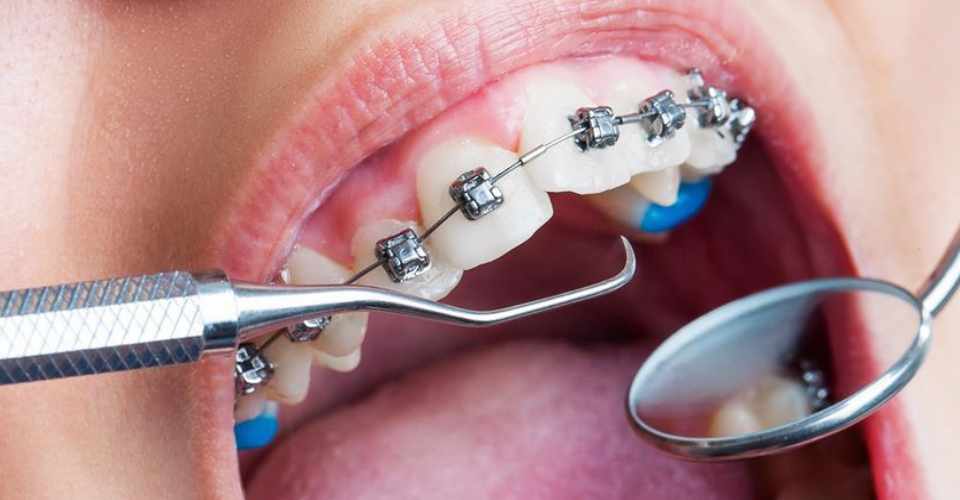
Metal braces are popular with children and teenagers and are smaller and more comfortable than ever. Traditional metal braces have two main components: the brackets that are placed on each tooth and the metal arch that goes through them. As the wire applies pressure to one side of the tooth, the jawbone on the other side moves away.
This causes the tooth to move and new bone to grow behind it. Bands (elastic bands) are used in conjunction with braces, exerting a constant force to move the teeth. Elastics should be worn at all times and changed daily to maintain proper strength.
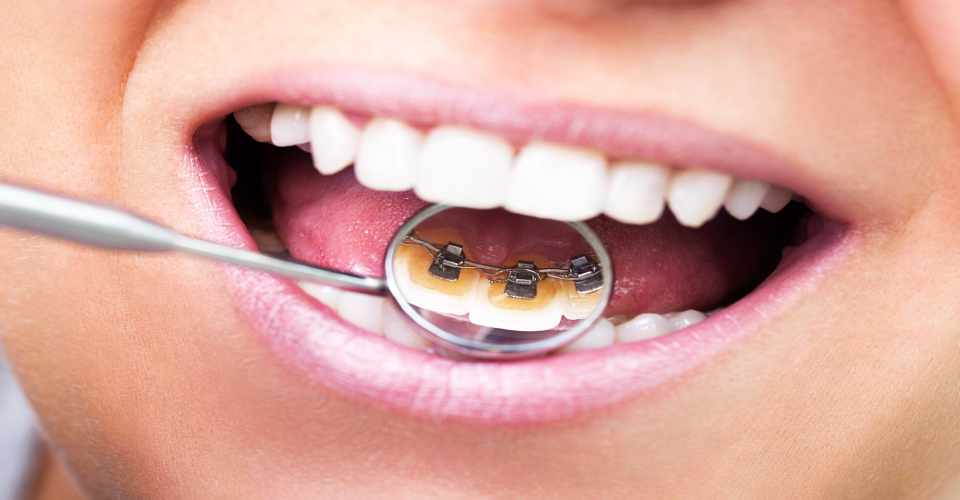
Linguistic Braces
Lingual braces work just like traditional metal braces, but they are placed behind the teeth instead of in front. This allows them to be completely hidden, so no one knows you’re wearing them. Usually, anyone who can have traditional metal braces is also a good candidate for lingual braces.
Usually, anyone who can have traditional metal braces is also a good candidate for lingual braces.
Ceramics Braces
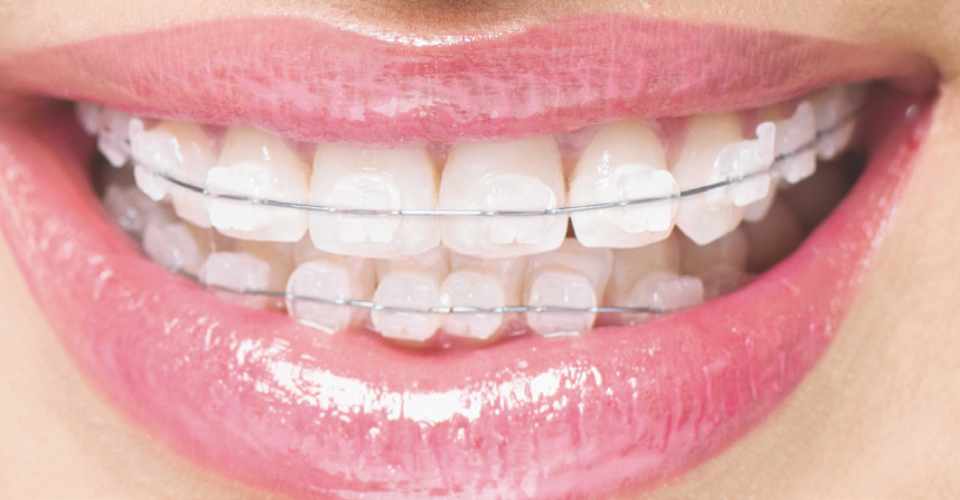
Ceramic braces are a popular choice for adults and teenagers who would like a discreet alternative to traditional metal braces. Clear ceramic braces are a practical alternative to traditional braces, offering the same smile-enhancing benefits without the stark look of metal.
Just like traditional braces, ceramic braces have two important components: First, each ceramic brace adheres to each tooth. Next, we attach a tooth-colored wire through the brackets. Braces can be made from a variety of ceramics and composites, but you’ll usually hear them referred to as “ceramics.”
Invisalign Clear Braces
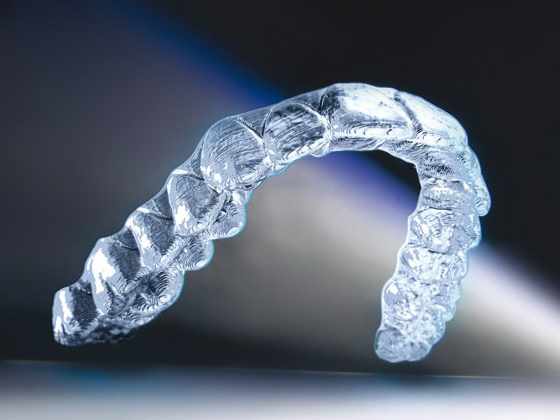
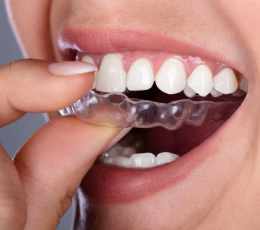
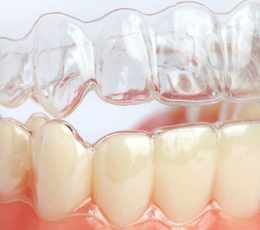
Invisalign works using braces that look a bit like the braces athletes use to protect their teeth from accidents, but are much thinner, transparent and less visible to the eye. Made of clear, strong, medically approved, non-toxic plastic, these braces are custom-molded to each patient’s personal needs and perfectly fit the morphology of their teeth, according to the treatment plan.
Compared to traditional braces, this plastic is almost invisible when worn, so no one will notice that you are undergoing treatment to straighten your teeth.
These braces are designed on a 3D computer image of your mouth. With special software, the movements of the teeth are designed with absolute precision. The treatment plan is drawn up by a specialist orthodontist after analyzing your dental barrier. Invisalign clear braces are made from industrial-grade 3D printers and gradually and gently move your teeth into the correct position. Each week you will receive a new pair of maxillary and mandibular braces that build on the work of the previous ones and advance your orthodontic treatment step by step.
The duration of Invisalign orthodontic treatment depends on the severity of each case and ranges from 6 months to 2 years. In general, the average treatment time for all patients is approximately 12 to 14 months.
Children’s Orthodontics
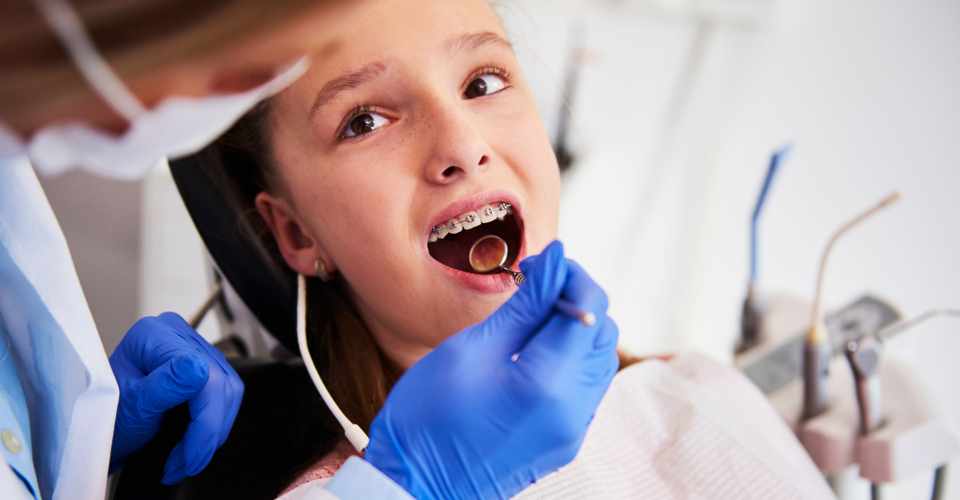
- The earlier the child has his check-up at an orthodontic clinic, the less chance he has for a long-term orthodontic treatment.
- The treatment methods used in our practice are proportional to the type of dental abnormality.
- A new patient can be treated with just one brace in a very short time, or have to wear metal or transparent braces for about two years.
